
Why Charging Depot Location Is the Most Underrated Lever in AV Fleet Economics
Autonomous vehicle (AV) fleets are taking off: Waymo alone is coming to 20 new cities this year, and the number of AVs on the road is projected to grow 200x by 2035.
In this historic buildout cycle, AV fleet operators should care about two things: speed and cost. Specifically, the speed of opening new cities – how many days it takes from approval to first ride – and the cost and profitability of servicing customers in those cities.
The most important metric for fleets is cost-per-mile (CPM): the total amount you budget for each mile travelled. This simple measure hides an increasingly sophisticated value chain that is key to unlocking autonomy at scale.
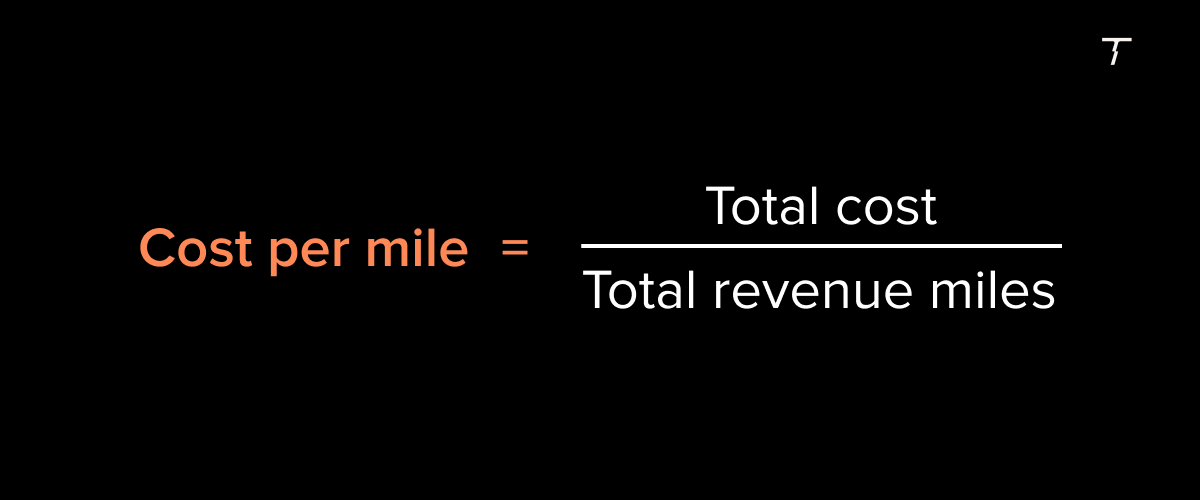
There are two main ways to lower a fleet’s CPM:
- Reducing the absolute cost of operating each vehicle
- Increasing the proportion of revenue miles served.
Terawatt is building the largest network of purpose-built AV charging sites in the U.S., and that means we understand deeply what drives value for AV fleet operators. That’s why we’re launching a series of pieces in which we’re sharing what we’ve learned about how operators can reduce their CPM, starting with one of the most underappreciated factors: location of charging depots.
Cut Costs or Grow Miles?
As mentioned above, there are two ways to improve your CPM: reduce the numerator by cutting operating costs, or increase the denominator by growing revenue miles.
Cutting costs could mean finding ways to spend less on energy or on-site operations like charging or vehicle maintenance. But our modeling shows that one of the most impactful ways to lower cost-per-mile is to shrink the percentage of non-revenue miles (also known as “deadhead miles”) by minimizing the distance vehicles need to drive to get to charging depots.
New Tech, Old Problem
Avoiding deadhead miles is the oldest and thorniest challenge in transportation: every trip you take without a customer or payload on board eats into your bottom line. Throughout history, operators have come up with creative ways to solve this problem. Standardized shipping containers make it possible for ships, trucks and trains to quickly and easily swap loads, minimizing empty return trips; the hub-and-spoke model means airlines can carry more passengers per plane.
AVs, which are predominantly electric vehicles operating in dense cities, present a new challenge: fleets can’t just fuel anywhere. They need reliable access to depots with guaranteed electric capacity, fast charging, and high-bandwidth fiber connectivity and infrastructure (for data offloading and software updates). This means that for fleet operators, site location is one of the most powerful levers they have to improve their CPM.
Doing the Math
Let's take an illustrative example:
Imagine you’re a fleet operator getting ready to launch in a new city. Charging sites are hard to come by, expensive to develop, and tricky to secure power and permitting for – so leasing from an infrastructure platform like Terawatt makes sense.
Say it takes 30 minutes each way for the vehicle to get to the charging hub. At $30 a ride and just one daily charge per vehicle, that could result in over $20,000 lost revenue per vehicle per year – or more than $10M per year for a depot supporting 500 vehicles. Finding locations that are closer to the customer demand is therefore critical for avoiding this "distance tax”.
Our modeling shows that better depot location can reduce CPM by up to $0.10 per mile (or ~6% of total operator CPM), when factoring in the opportunity cost explained above. Picking the right site can save more than the entire cost of the depot lease!
This insight informs our site selection process, and it’s why Terawatt has prioritized specific strategic locations. The closer you can get to where your business actually is, the better – and every mile goes to your bottom line.
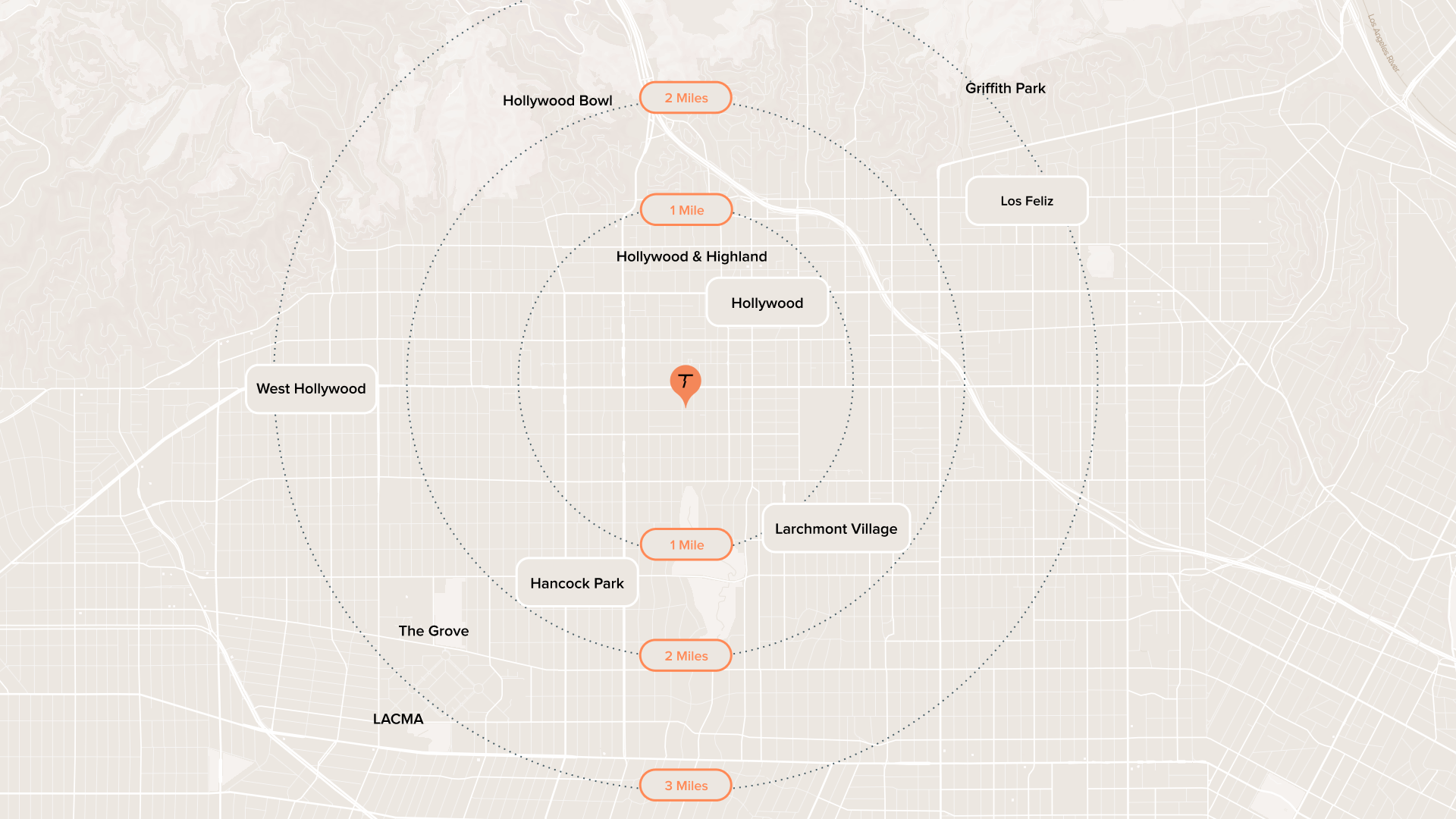
One example is our forthcoming site in Hollywood, California, slated for commercial operation in 2028. This is a key area for AV companies operating in Los Angeles, because a lot of rides are expected there. Our real estate team has built deep local relationships, and after searching for more than a year, we were able to secure a premium site with 0.8 acres and 6 MW of power. Once operational, this location means our AV customer will incur minimal deadhead miles between vehicles finishing their last ride and stopping for charging, maintenance and data offloads.
This isn’t just about higher revenue: sometimes, site location can determine whether a service is viable at all. With AV fleets growing rapidly, and the availability of land and power flat or shrinking, picking the right location for charging is business critical – it reduces traffic and customer wait times, makes whole new markets possible, fundamentally changes the calculus for autonomous transport providers, and lays the groundwork for profitability in a sector that’s only set to grow.
As operators increasingly look for multiple depots in a given area, having sites in optimal locations creates a network effect that helps our customers further optimize their charging – and minimize their cost per mile.
In Part 2 of our series, we look at the other side of the equation: how fleet operators can manage power demand, navigate complex utility rate structures, and turn energy management into a long-term competitive advantage. Read Part 2 here.